
Picture a mid-size office building at 6 a.m. Lights need to come on in stages, HVAC has to start warming up before staff arrive, security doors need to unlock on schedule, and meeting room AV has to be ready to go the moment someone walks in. None of that happens by someone flipping switches room by room; it happens because a relay systems is quietly coordinating it all behind the scenes.
At ITE Integrated, we design and install tailored relay control systems that integrate with commercial infrastructure, helping organisations run more safely and efficiently while leaving room for future expansion.
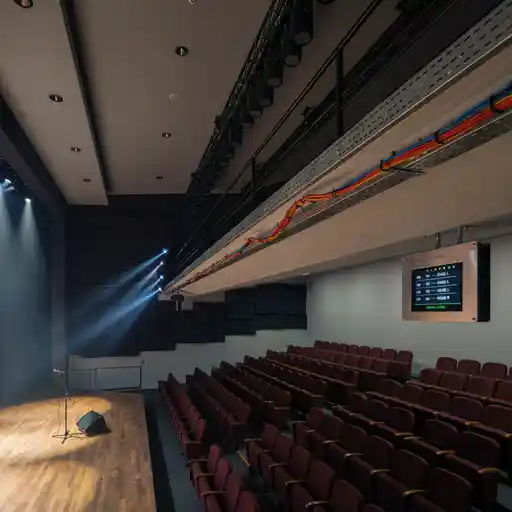
What Is a Relay System?
At its simplest, a relay is a smart electrical switch. Instead of a person manually operating equipment throughout a building, a relay takes a low-voltage signal and uses it to safely activate or deactivate a higher-powered circuit.
That one principle is what lets a single control system manage dozens of building functions at once: lighting schedules, HVAC equipment, emergency systems, specialised AV installations without someone standing at a panel all day. The result is less manual intervention, less wear on equipment, and more consistent operation.
Why This Technology Is Becoming Essential
As buildings take on more technology, manually controlling every electrical function stops being realistic.
Take that office building again. At opening time, lighting, ventilation, security doors, meeting room technology, and air conditioning all need to switch on in a specific order — not all at once, which would strain the electrical supply. At closing time, the same systems need to shut down safely, without anyone having to walk the building and check each one.
Relays make that sequencing possible, giving separate systems a way to communicate and respond automatically to programmed conditions.
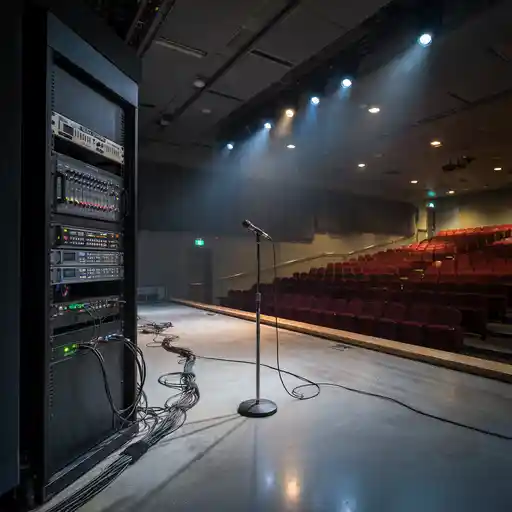
Improving Safety Through Intelligent Electrical Control
Safety is one of the main reasons organisations invest in a professionally designed relay control system.
Because relays isolate the low-voltage control circuit from the high-voltage power circuit, no one needs to handle live high-voltage wiring directly to operate equipment. That reduces electrical risk for staff and protects equipment from unnecessary stress.
A well-designed system can also respond automatically when something goes wrong. If a fault develops in a circuit, the system can isolate the affected equipment before it causes further damage. During an emergency, predefined safety procedures can trigger immediately, without waiting on someone to notice and act.
Common safety functions include:
• Emergency lighting activation
• Smoke extraction control
• Automatic equipment shutdown
• Fire alarm integration
• Controlled power sequencing
• Electrical fault isolation
Together, these functions support both occupant safety and equipment longevity, coordinating lighting, HVAC, and life-safety systems so they act as one system rather than several disconnected ones.
Automation That Simplifies Everyday Building Management
Automation isn’t just for large corporate headquarters anymore; medium-sized facilities benefit just as much.
Consider a conference centre running several events in a single day. Each room needs different lighting levels, audio setups, presentation equipment, and climate settings. Rather than staff reconfiguring each space by hand between bookings, a relay-backed automation system can switch presets automatically as each event starts and ends.
| Building Function | What Relays Handle |
| Lighting | Scheduled operation and energy savings |
| HVAC | Occupancy-based climate control |
| Security | Controlled door access and locking |
| Mechanical Plant | Equipment sequencing and protection |
| AV Equipment | Automatic startup and shutdown |
Beyond the efficiency gains, this creates a more consistent experience for everyone using the building, since settings don’t depend on which staff member configured a room that day.
Lower Energy Costs Without Sacrificing Performance
Energy management is a growing priority for commercial property owners, and it’s an area where relay systems pay for themselves over time.
Lighting, ventilation, or equipment left running unnecessarily adds up in wasted cost every single day. A relay-controlled schedule means that gaplights switch off automatically outside business hours, and HVAC adjusts based on occupancy or programmed operating windows instead of running flat-out around the clock.
None of these savings look dramatic on their own, but compounded across a full year of operation, they add up to real reductions in running costs and support broader sustainability goals at the same time.
Seamless Integration With Other Building Systems
Relay systems don’t operate in isolation; their real value shows up when they work alongside a building’s other technologies.
At ITE Integrated, we typically install relay systems as part of a wider, connected setup, pairing them with services such as AV integration, lighting control systems, stage lighting systems, sound systems, production communications, paging systems, projection and presentation systems, and assistive listening systems.
Bringing these together under one platform gives building operators centralised control over multiple services from a single point, rather than managing separate systems with separate interfaces.
Supporting High-Performance Venues
Commercial offices are only part of the picture. Theatres, auditoriums, schools, and community centres often run electrical infrastructure that needs even tighter coordination than a typical office.
In a 500-seat theatre, for instance, relays can bring stage lighting power up in stages during a performance rather than all at once, avoiding a trip on the main breaker at a critical moment. The same systems can isolate equipment for maintenance between shows, or trigger an emergency shutdown sequence instantly if needed without a technician having to run between panels mid-event.
In these settings, relay control systems typically manage:
• Stage lighting power distribution
• Audio equipment sequencing
• Performance lighting presets
• Equipment isolation during maintenance
• Emergency shutdown procedures
• Power management for technical systems
That reliability takes pressure off technical staff and keeps live events running smoothly, even when a lot is happening at once behind the scenes.
Why Professional Installation Matters
Installing a relay system is more than wiring up switches. Every building has its own layout, electrical loads, and future expansion plans, and a poorly designed installation shows up later as unreliable operation, unnecessary maintenance call-outs, or a system that can’t scale when the building’s needs change.
A professional installation accounts for:
• Building layout
• Electrical infrastructure
• Future expansion
• Equipment compatibility
• Compliance requirements
• Ease of maintenance
• Long-term reliability
Getting this right at the design stage is what determines whether a system is still delivering value five or ten years down the line, or becoming a maintenance headache.
Why Choose ITE Integrated
With decades of experience delivering integrated technology solutions, our team understands the day-to-day realities of running commercial buildings and performance venues, not just the technical spec sheet.
We design relay systems that integrate smoothly with your existing electrical, lighting, and AV infrastructure, tailored to how your building actually operates. Whether you’re upgrading an ageing facility or planning a new development, we work with you from design through installation to deliver automation that’s dependable now and has room to grow later. Contact ITE Integrated today to discuss your project and discover a relay system solution designed to meet your operational needs.
Frequently Asked Questions
What is a relay system used for?
It uses a low-voltage control signal to safely switch high-voltage electrical equipment on or off, which is what allows building functions like lighting, HVAC, and security to be automated rather than operated manually.
Are relay systems suitable for existing commercial buildings?
Yes. Most existing facilities can be retrofitted with a relay control system that works with their current electrical setup; it doesn’t require rebuilding the building’s infrastructure from scratch.
Can relay systems improve energy efficiency?
Yes. By automatically switching off lighting and adjusting HVAC based on schedules or occupancy, buildings avoid paying to run systems when no one needs them, often one of the simplest ways to cut ongoing utility costs.
Which industries commonly use relay systems?
Offices, theatres, schools, universities, healthcare facilities, government buildings, conference centres, and entertainment venues all rely on them for safe, automated electrical control.
Ready to improve your building’s safety and automation?
If you’re planning a new commercial project or upgrading an existing facility, get in touch with ITE Integrated to discuss a relay control system designed around how your building actually runs.