
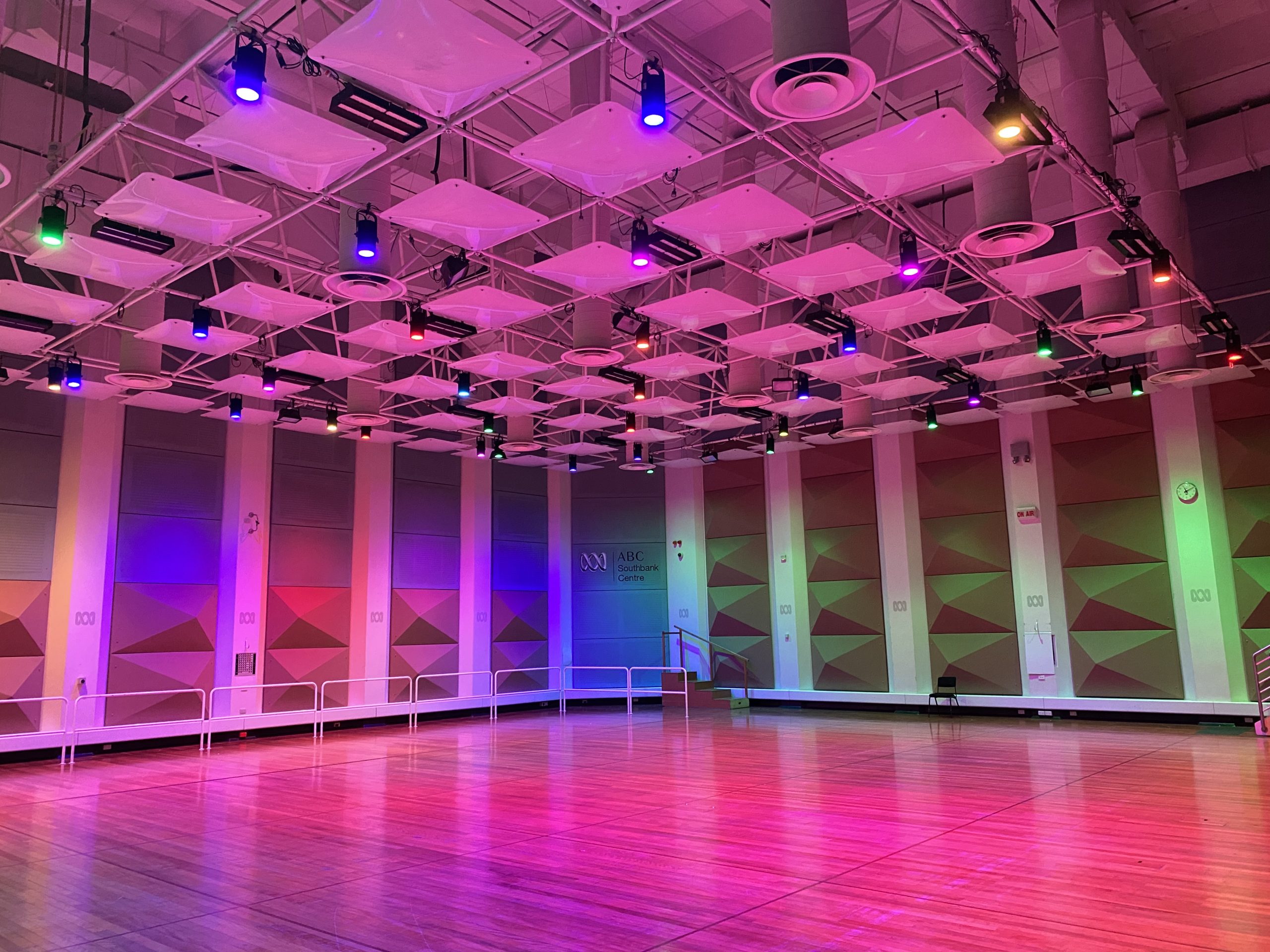
As soon as the curtain rises, lighting determines everything regarding the experience of the spectators. Proper lighting isn’t about simply setting a spot and expecting the best. Familiarising oneself with the different types of stage lights, including profile spots, fresnels, LED wash lights, moving heads, and others, is the first step towards creating an effective production.
The specialists from Melbourne’s ITE Integrated have had plenty of experience working on the installations of theatrical and performing spaces that can stand the test of time, and they know which light fixtures should be chosen for each occasion.
What Is Stage Lighting and How Is It Important?
The importance of stage lights is not only limited to making the performer visible on the stage but also to creating a mood, directing the attention of the audience, and making an ordinary setting memorable even after the curtains are closed. The slightest variation in the colour and angle of stage lights may drastically impact the impression.
All facilities, from a simple school auditorium to a fully-fledged performance centre, rely on the combined efforts of various fixtures rather than a single key light to carry the burden. The fact that each production has its unique approach to lighting makes it essential to know your possibilities in advance.
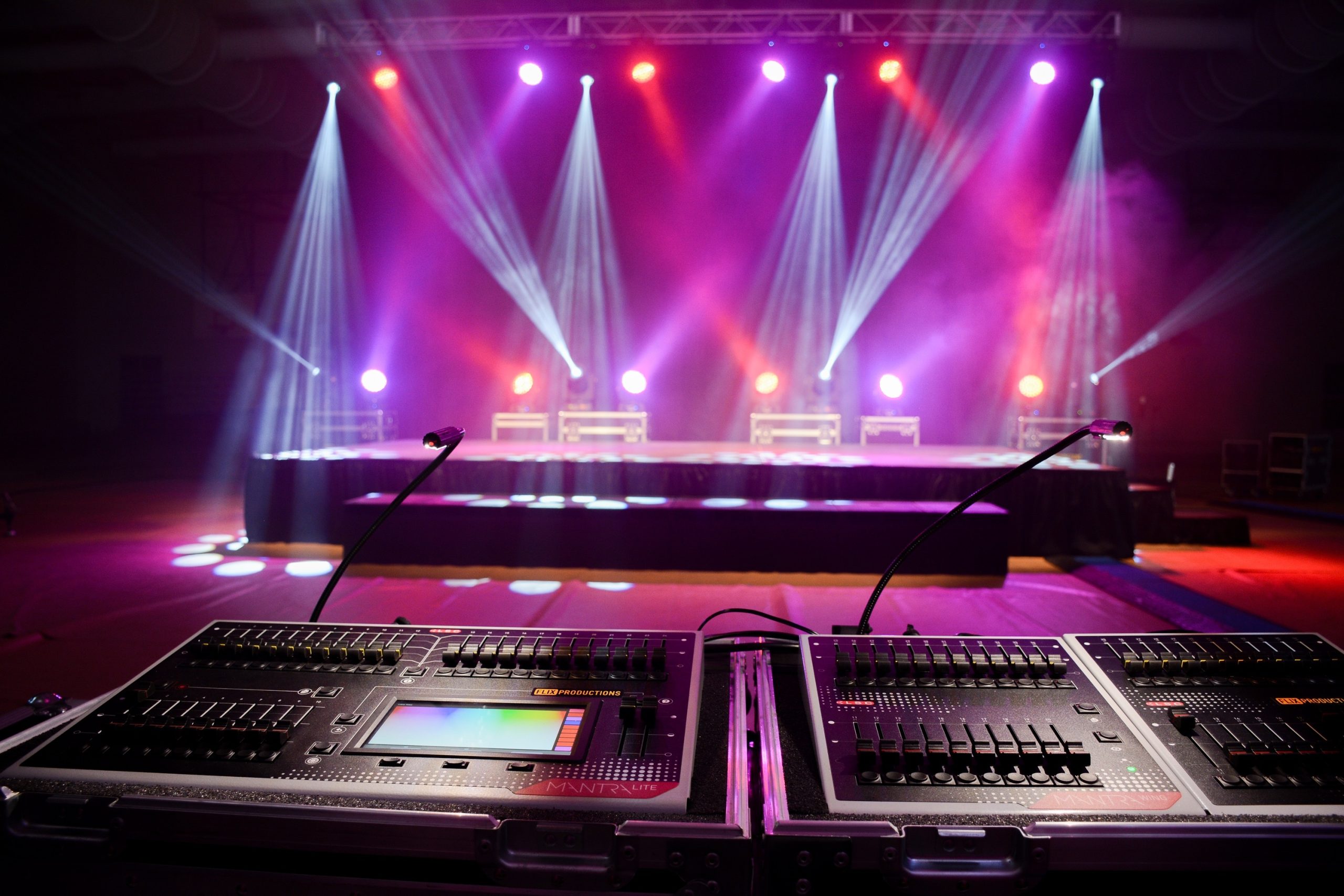
What Are the Different Types of Stage Lights?
Most stage lighting systems consist of several types of basic fixtures, which serve specific purposes in the production process. Understanding the role played by each one helps make staging easier.
• Profile spotlights: high-definition lights used for illuminating a single actor or prop.
• Fresnel lights: low-definition lights, which can be adjusted for creating a stage wash.
• PAR cans:small lights with high-definition used for lighting washes and backdrops.
• Moving head lights: automated lights that pan and tilt and also change colours.
• Follow spots: lights that are manually operated to follow the actor on the stage.
• Cyc lights: lights that are used for illuminating cyclorama walls evenly.
How LED Stage Lighting Revolutionises the Way Things Are Done
While tungsten and halogen lights get very hot, use up energy, and require globes to be changed often, LED stage lighting has overcome all of these disadvantages, providing cool operation, longevity of the fixture, and reduced running costs throughout the season.
Apart from that, the designers get the liberty to experiment further because of colour mixing on the spot (no gels needed), smooth dimming, and the compact size of LED fixtures, allowing lights to be rigged in places inaccessible for older lamps.
Components of Reliable Theatre Lighting Systems
The success of a fixture is contingent on the system to run it. Reliable theatre lighting systems feature control consoles, dimmers, DMX/DALI network connections, as well as rigging that is specifically tailored to the venue, as opposed to something hastily cobbled together.
Equally important to the actual lighting itself is the power distribution. The stage boxes, patch panels, proper dimmer protocol, as well as quiet dimmers, make sure that a show runs smoothly and does not ruin acoustic settings with unnecessary noise.
Stage Lighting Design
Good stage lighting design begins well before opening night, when you decide what you need in terms of mood, sightlines, and movement on stage.
• Plot the important scenes and areas where the focal point needs to change.
• Select your fixtures depending on the venue, height of the ceiling, and available rigging points.
• Work the changes in colour and intensity with the mood of the production.
• Rehearse your cues before opening night, not for the first time then.
• Consider the needs of tours and changing productions.
The Correct Types of Lighting for a Stage Setup
Different venues have different requirements, and ensuring that your lighting is suited to the venue can help avoid money going to waste on lights that are never put to good use.
•Small auditoriums and schools: a combination of LED PARs and some profile spots.
•Theatre stages: moving head lights should be included, along with a proper control console.
•Performing arts venues: the best option would be a complete rigging setup including follow spots and cyc lights.
•Touring stages and multi-purpose venues: compact rigs that rig up quickly should be a priority.
How Often Do Rigging Systems Need Maintenance and Upgrades?
While initially the rigging system was installed and performed perfectly, it will eventually lose its flawless performance. The globes start getting darker, lenses accumulate dust, cables become loose, control software becomes outdated; all these things usually happen unnoticed until some equipment stops functioning during the performance. Planning the maintenance procedure allows solving all such issues in advance.
Upgrading a rigging system does not necessarily mean completely rebuilding and updating the whole rigging system at once. Some venues prefer to install new fixtures along with the old equipment, changing old fixtures for new ones in order. Just a yearly checkup combined with the replacement plan guarantees the perfect performance of the rigging system.
How Is Lighting Important in Live Streamings?
More venues have started performing live streams of their performances in addition to the live performances, and the cameras are not as tolerant as the human eye. All kinds of flickering, non-uniform colour temperatures, and harsh shadows that do not cause any problem to human eyes become noticeable during live streaming, making the lighting design an important factor for the audience of the performance in the venue and also those who are watching the stream online.
In order to achieve better results for live streamings, many venues are now starting to consider fixtures placement and control settings as well, with the camera as their main audience.
Turning Your Vision into Reality
Selecting lights goes well beyond a mere technical choice; it is about how a particular location presents itself at each and every night. Ensuring that there is a proper balance between lighting equipment, control, and design requires practical experience that is hardly possible to acquire within the walls of one organisation.
Here, a professional company comes to help, and our specialists at ITE Integrated cooperate with architects, venue managers and production teams from Melbourne to provide clients with lighting systems that will perfectly suit a particular location and a budget, based on decades of practical experience of our engineers.
If you have decided to construct a new place or upgrade an old system, contact us to get a quote first.
Frequently Asked Questions
So what's really the difference between LED and conventional halogen stage lights?
LEDs are much cooler, consume way less electricity, and last much longer. Halogen lamps may be initially cheaper, but are much more expensive in the long run due to electricity consumption and lamp replacements.
Can LED fixtures be used alongside old-fashioned tungsten ones on the same set-up?
Sure, lots of theatres currently use such mixed set-ups as they transition from tungsten to LED lights. The only thing you have to do is make sure that your dimming system supports both kinds of load, as they behave differently when dimmed.
How many lighting fixtures does a small community theatre need?
There’s no exact number, but most of the small theatres do fine with a dozen fixtures covering the whole range of lights from wash to specials and follow spots.
What is DMX and why does it come up so often in lighting discussions?
DMX is the universal control protocol between the light desk and each fixture individually. This allows one person to control the colour, brightness, and motion of all the lights in the rig from a single console.
Is it worth employing a lighting designer for a small production?
Yes, at least for something more complex than that. A designer creates cues based on the plot rather than turning the lights on and off, and this affects the audience’s perception of the production.